- Median Arcuate Ligament Syndrome (MALS) is a rare syndrome of intermittent (often post-prandial) abdominal pain putatively caused by kinking of the coeliac artery by the median arcuate ligament of the diaphragm. It can be associated with vomiting and weight loss.
- Publications out of North America discuss minimally invasive surgical treatment.
- Related is SMA (superior mesenteric artery) Syndrome, which can occur after acute weight loss, where loss of the duodenal fat pat leads to compression of the duodenum between the SMA and the aorta.
- These conditions are so rare there is no established clinical expertise in WA in dealing with MALS, although SMA syndrome is occasionally recognised in adults.
Month: July 2020
Peanut allergy is really common
- Peanut allergy affects 3% of children.
- 20% of children will have allergy remission by age 5y – with the greatest chance in those with a SPT <6mm, or serum peanut specific IgE <3kUA/L (Ho et al. 2008 JACI)
- There is good evidence that for infants with severe eczema and/or egg allergy, that regular peanut intake before 12 months of age can reduce the risk of developing peanut allergy
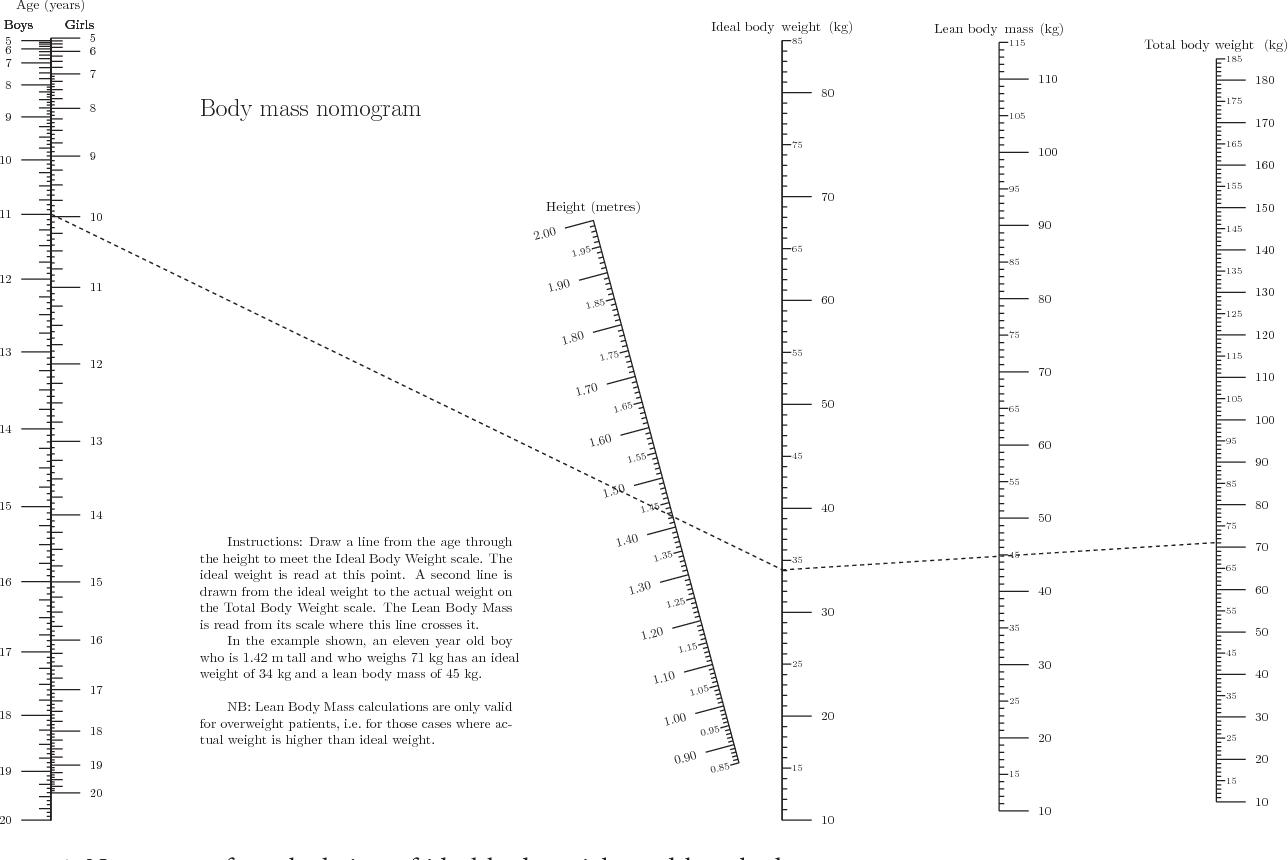
Consider Ideal Body Weight (IBW) in paediatric prescribing
- Use the Ideal Body Weight (IBW) when prescribing in obese and overweight children
- 24% of Australian children are overweight or obese (overweight 17%; obese 8%) (AIHW 2019)
- Paediatricians can improve their prescribing habits in this regard.(Collier 2017 ADC)
- IBW can be calculated via a variety of methods:
- Moore method – ascribing the IBW as the weight percentile corresponding to the child’s height percentile.
- McLaren Method – using the 50th percentile weight for the child’s height
- Nomogram (Callaghan 2015) – which is available here
- DFTB has a nice succinct list of medications where dose calculation needs particular care.
- There is ongoing discussion about which method is best (Moylan 2019 JAMA Pediatrics)
Check the perineum in refractory constipation
- Anorectal malformations can contribute to constipation.
- The anal position index (API) can be used to determine whether the anus is “ectopic”
- Davari, H. A., & Nazem, M. (2004). The anal position index: a simple method to define the normal position of the anus in neonate.
- Girls API is measured by – Anus-fourchette/coccyx-fourchette
- The anus is in an abnormal position if the API is <0.29.
- Boys API is measured by – Anus-scrotum/coccyx-scrotum
- The anus is in an abnormal position if the API is <0.4.
- Girls API is measured by – Anus-fourchette/coccyx-fourchette
- The most commonly cited classification system for anorectal malformations is the “Krickenbeck” classification system – but there is an interesting history of various classification systems and a whole bunch of pictorial classification diagrams on the internet
 fshnchps